
원본 기사
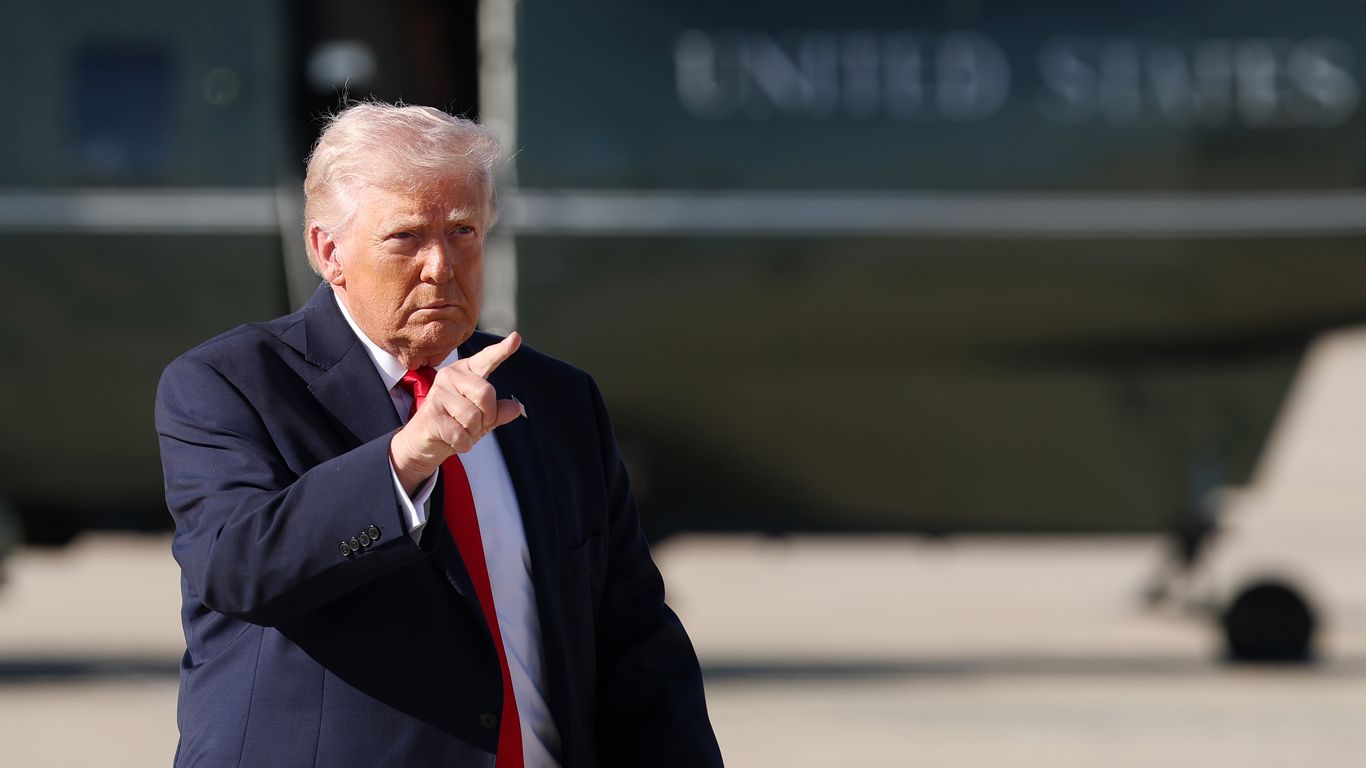
기사
트럼프, 이란 전쟁발 유가 안정 위해 '존스법' 면제 연장 검토
트럼프 행정부가 이란 전쟁으로 인한 유가 급등에 대응해 '존스법'의 면제 연장을 논의 중이다. 이는 유류 운송 비용을 절감하고 국내 공급을 늘리는 데 기여했다.
'존스법' 면제 배경 및 효과
트럼프 대통령은 이란 전쟁으로 인한 유가 상승에 대응하기 위해 지난 3월 18일 논란이 많은 해상법인 '존스법' 60일 면제를 시행했습니다. 1920년에 제정된 이 법은 미국 항구 간 물품 운송 시 미국 국적 선박을 의무화하여 운송 비용을 높이는 원인으로 지목되어 왔습니다. 백악관 자료에 따르면, 면제 시행 이후 40척의 외국 국적 유조선이 미국 항구 간 900만 배럴 이상의 원유를 운송했으며, 이는 사실상 국내 선단을 70% 증대시켜 비용 절감에 기여했습니다.
법안 연장 논의 및 입장 차이
행정부 관계자들은 이번 면제로 알래스카 지역의 제트 연료 수입량이 월평균 소비량의 절반에 달하는 등 상당한 효과를 거두었다고 평가하고 있습니다. 트럼프 보좌관은 대통령이 현 상황에 만족하며, 이란이 위협으로 남아 유가를 상승시키는 한 면제를 유지하기를 원한다고 밝혔습니다. 하지만 '존스법' 연장을 두고 입장 차이가 명확합니다. 자유지상주의자들은 비용 절감 효과를 들어 법안 폐지를 주장하는 반면, 보호무역주의자들은 법안 면제가 미국 조선 및 해운 산업의 수만 개 일자리와 수십억 달러 투자를 위협할 수 있다고 경고하고 있습니다. 테일러 로저스 백악관 대변인은 최종 결정은 내려지지 않았지만, 비용 증가 완화 및 공급 증대 효과를 언급했습니다.
*출처: Axios (2026-04-22)*
관련 기사


📧 뉴스레터 구독
매일 아침 글로벌 뉴스 브리핑을 이메일로 받아보세요.
아직 무료입니다.