
원본 기사

기사
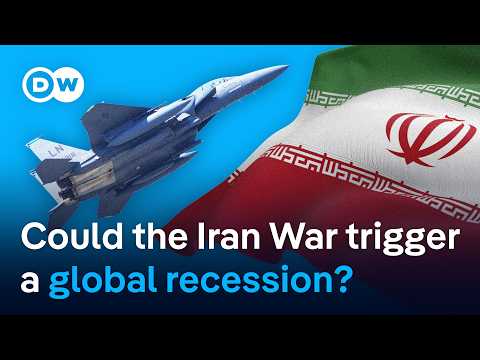
IMF, 이란 전쟁발 인플레에도 일銀 유연한 대응 가능성 제시
IMF는 중동 전쟁으로 인한 유가 상승이 일본 인플레이션에 미치는 영향이 제한적일 것이며, 일본은행이 유연하게 정책을 운용할 수 있을 것이라고 전망했다.
IMF의 일본 인플레이션 전망
국제통화기금(IMF)은 지난 20일, 라훌 아난드 일본 담당 미션 치프의 발언을 통해 일본은행(日銀)이 중동 전쟁으로 인한 인플레이션 압력에 유연하게 대응할 수 있을 것이라는 견해를 밝혔다. 아난드 치프는 중동 분쟁으로 인한 원유 가격 상승이 일시적으로 물가 상승을 초래할 수 있으나, 일본의 핵심 인플레이션 및 임금에 미치는 2차 파급 효과는 다른 국가들에 비해 완만할 것이라고 분석했다.
일본은행의 금리 인상 및 경제 성장 예상
IMF는 헤드라인 인플레이션이 일시적으로 급등하더라도, 일본은행이 이를 간파하고 기존의 완화 정책 기조를 이어갈 여지가 있다고 강조했다. 이는 일본은행이 다른 중앙은행들과 달리 인플레이션 충격을 통찰할 여유가 있다는 평가에 기반한다. 다만, 아난드 치프는 전쟁의 강도와 지속 기간에 대한 불확실성이 성장 및 인플레이션 전망에 위험을 야기할 수 있으므로, 일본은행이 데이터에 기반하여 유연하게 정책을 결정해야 한다고 덧붙였다.
IMF는 일본의 인플레이션율이 2027년 말까지 중앙은행 목표치인 2%에 수렴할 것으로 내다봤다. 또한, 일본은행이 내년 중반 또는 말까지 정책금리를 현재 0.75%에서 1.5%까지 총 3차례 인상할 것으로 예상했다. 일본 경제 성장률은 2026년 0.7%, 2027년 0.6%로 2025년의 1.2% 대비 둔화될 것으로 전망하면서도, 일본 경제의 회복력을 높이 평가했다.
*출처: arabnews.jp (2026-04-15)*
관련 기사


📧 뉴스레터 구독
매일 아침 글로벌 뉴스 브리핑을 이메일로 받아보세요.
아직 무료입니다.