Original Source
IMF and World Bank Discuss Global Economic Outlook Amid Middle East Conflict and High Oil Prices
Middle East Conflict and High Oil Prices Dominate IMF and World Bank Meetings
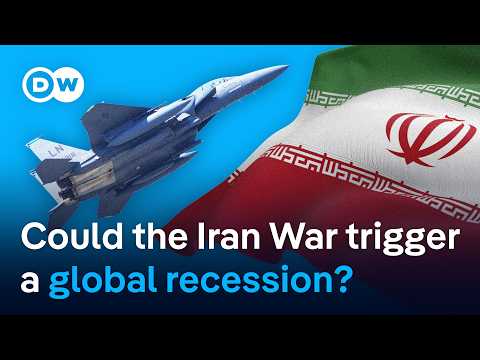
This week’s International Monetary Fund (IMF) and World Bank meetings in Washington D.C. have been dominated by discussions on the escalating military tensions in the Middle East and their impact on global oil prices. Experts highlighted that the heightened tensions between Israel and Iran are creating significant uncertainty in energy markets. Oil prices are precariously hovering around $100 per barrel, with East Coast diesel prices in the United States up over 50% since the start of the year. European gas storage levels are at their lowest since the onset of the Ukraine war. This situation is exacerbating inflationary pressures worldwide, complicating policy responses for governments.
Debt-Laden Countries Face Dual Challenge of Tightening and Defense Spending
Economists anticipate that the Middle East conflict will drive further interest rate hikes, adding to the burden of already substantial government debt. This deepens concerns about fiscal health and is compounded by increasing defense commitments, creating an impossible task for policymakers. The IMF recently downgraded its forecast for global economic growth this year by 0.2 percentage points to 3.1%. While advanced economies saw no change in their growth outlook, the United Kingdom experienced the most significant downgrade. This suggests that the current crisis may not be temporary but could have long-term structural implications.
Inflationary Pressures and the Future of AI
Central banks are likely to continue raising interest rates to combat inflation. In the United States, recent inflation figures have shown an uptick, fueling concerns about rising prices exacerbated by the energy shock. Amidst this backdrop, discussions also touched on Artificial Intelligence (AI), which holds potential for long-term productivity gains and economic growth. However, in the short term, AI development could increase energy demand and impact the labor market, introducing further uncertainties. Policymakers are urged to adopt a balanced approach that addresses immediate crises while preparing for fundamental shifts in the global economic landscape.
*Source: YouTube: Reuters (2026-04-16)*