Original Source
Hong Kong and China Emphasize AI Education, Governance Amid 'Token Economy' Shift
Discussions on Strengthening AI Governance and Education
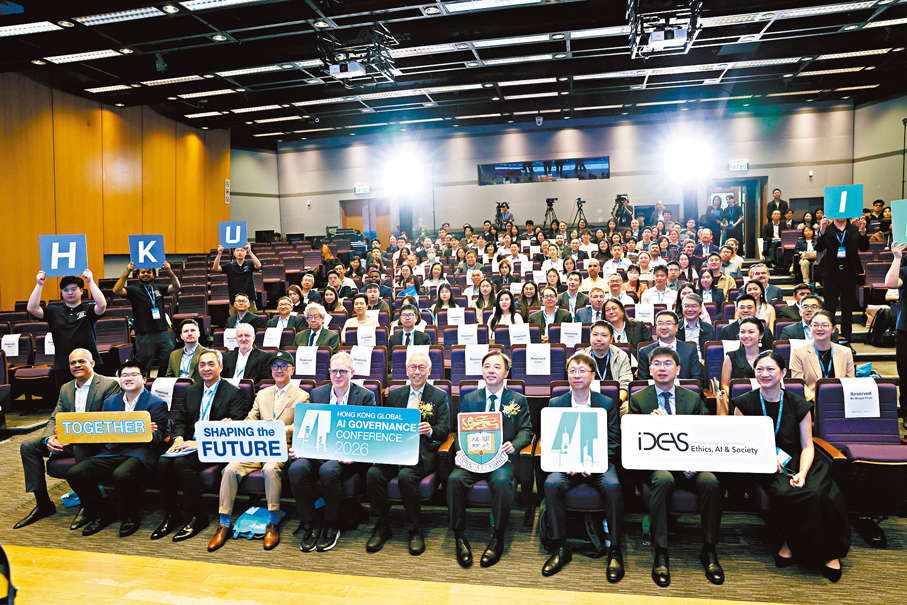
The University of Hong Kong hosted the 'Hong Kong Global AI Governance Summit 2026,' leading discussions on the opportunities and challenges posed by rapid AI development. Over 400 scholars, policymakers, and industry leaders participated, delving into areas such as AI and education, legal and regulatory frameworks, public governance, and global collaboration. Zhang Xiang, President of HKU, emphasized that the emergence of AI introduces a new 'human-human-AI' interaction paradigm, complicating AI governance. Furthermore, Xu Li, co-founder and CEO of SenseTime, defined AI as a 'partner' rather than a 'substitute,' stressing the importance for humans to maintain critical thinking, verify AI outputs, and understand the limits of AI capabilities.
China's Push for AI Education and Industry Transformation
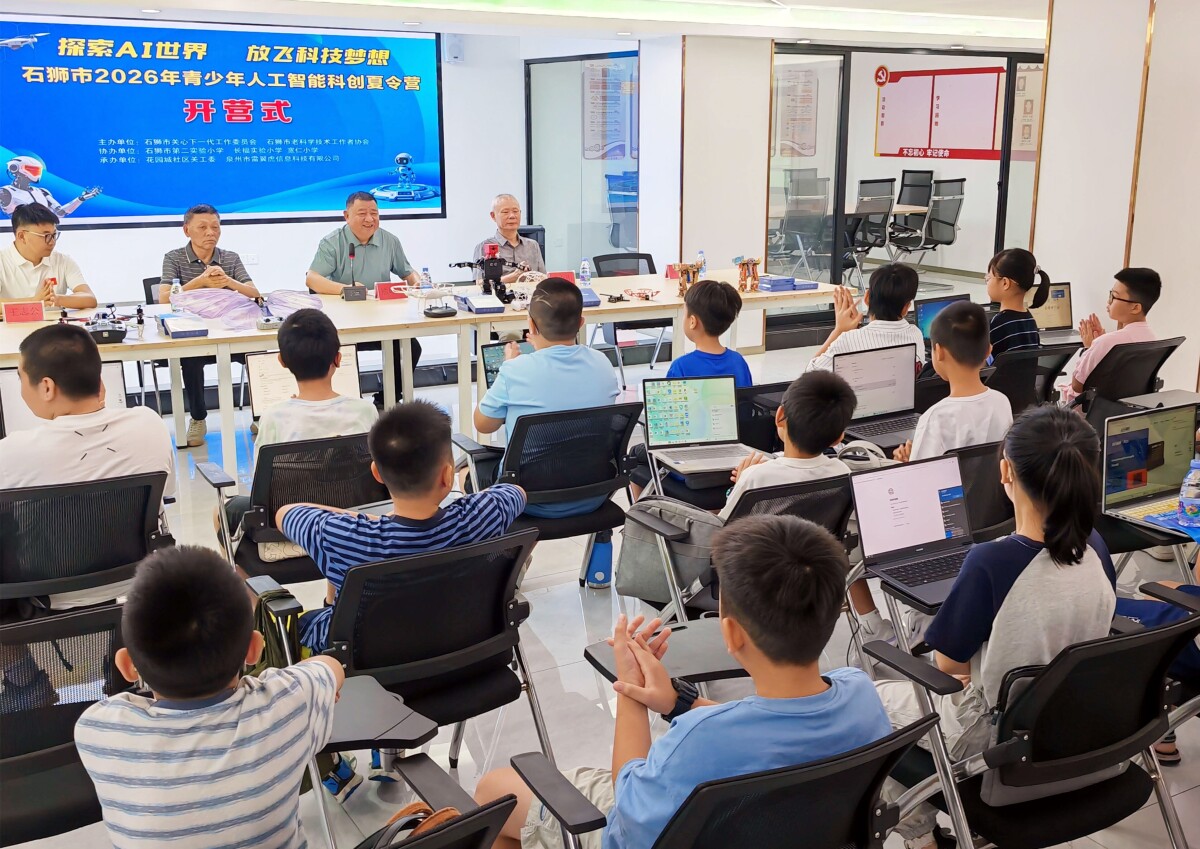
The Chinese government has launched the 'AI+Education Action Plan' to vigorously promote the popularization of AI education. This plan aims to accelerate AI education for primary and secondary school students, ensure all university students acquire AI knowledge, and incorporate AI into teacher qualification examinations and certifications. Jointly issued by five ministries, including the Ministry of Education, the plan targets forming a deep integration of AI and education by 2030. Meanwhile, the AI industry, following the 'Hundred Models War' in 2023, is moving beyond its technological exploration phase into a scaled 'token economy' era. The competitive focus is shifting from model capabilities to the production efficiency, circulation costs, and application value of tokens, which is expected to reshape the foundational structure of the future digital economy.
*Source: 香港文匯網, 大公文匯網, 信報網站 (2026-04-10)*