
원본 기사
필리핀, 중동 분쟁 위험에 '국가 에너지 비상사태' 선포
필리핀, 에너지 비상사태 선포 및 대책 마련
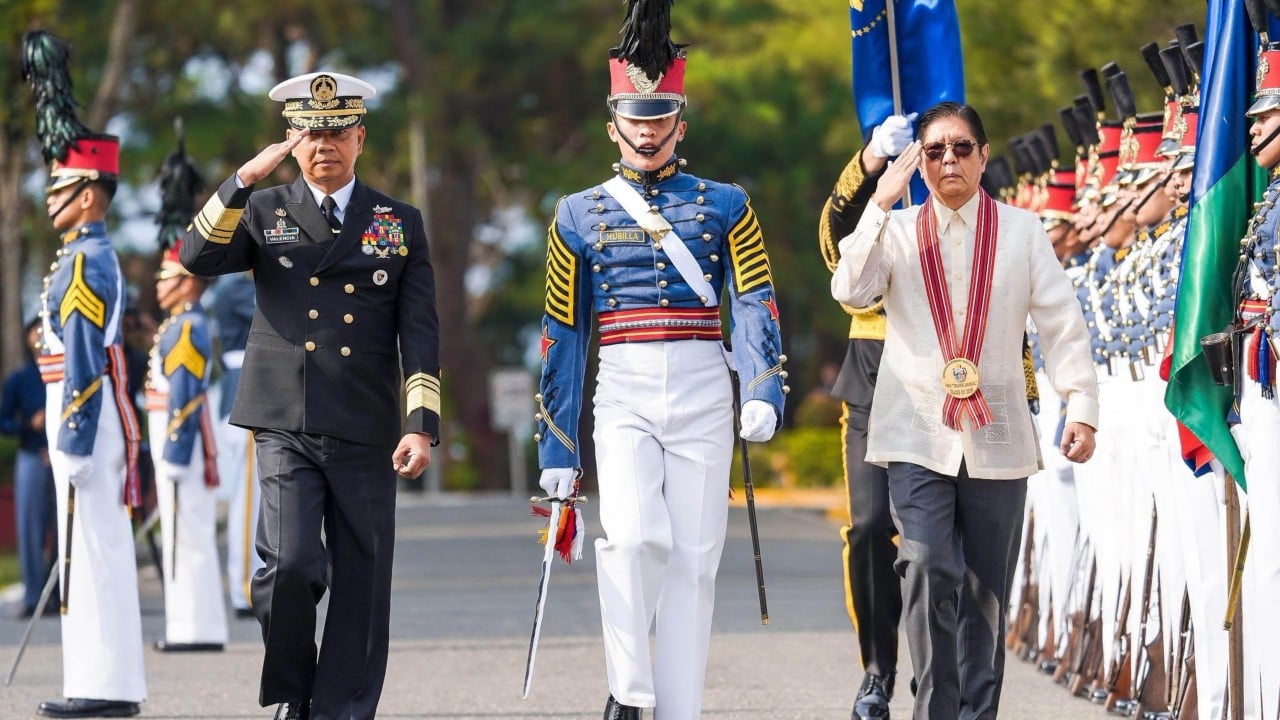
필리핀은 중동 분쟁으로 인한 에너지 공급 불안정 위험 증가에 따라 국가 에너지 비상사태를 선포했다. 페르디난드 마르코스 주니어 대통령은 중동 전쟁이 '국가 에너지 공급의 가용성과 안정성에 임박한 위협'이라고 밝혔다. 이번 조치를 통해 정부는 연료 가격을 통제하고, 러시아를 포함한 다른 공급원으로부터의 수입을 신속하게 추진할 수 있게 된다. 현재 필리핀은 정상 소비 기준 약 45일 분량의 연료를 보유하고 있는 것으로 알려졌다.
동남아시아 전역의 에너지 절약 노력
동남아시아 전역에서 에너지 절약 움직임이 확산되고 있다. 각국 정부는 주민들에게 에너지 사용량 감축을 촉구하고 있으며, 이는 중동 분쟁으로 인한 핵심 석유 공급 위협 때문이다. 태국에서는 정부가 직원들에게 가벼운 옷차림을 권장하고 에어컨 온도를 높이며 전력 사용을 줄이도록 요청했다. 또한 해외 출장을 제한하고 재택근무를 확대하는 등 수요를 줄이기 위한 노력을 기울이고 있다. 베트남에서는 급격한 가격 인상 속에 주유소에 긴 줄이 이어지고 있으며, 당국은 에너지 절약을 위해 재택근무를 독려하고 있다.
해협 봉쇄 위협과 유가 변동성 증가
호르무즈 해협을 통한 유조선 운항에 대한 우려가 커지면서 국제 유가가 불안정하게 변동하고 있다. 중동 분쟁의 심화는 주요 석유 공급망을 위협하며, 이는 동남아시아 국가들의 에너지 안보에 직접적인 영향을 미치고 있다. 각국은 잠재적인 에너지 부족 사태에 대비하기 위해 선제적인 조치들을 취하고 있으며, 이는 지역 경제 전반에 걸쳐 상당한 영향을 미칠 것으로 예상된다.
*출처: YouTube: ABC News (2026-03-25)*
관련 기사


📧 뉴스레터 구독
매일 아침 글로벌 뉴스 브리핑을 이메일로 받아보세요.
아직 무료입니다.