
원본 기사
기사
인도네시아, 비보조 연료 가격 인상…공급 압박 및 재정 부담 우려
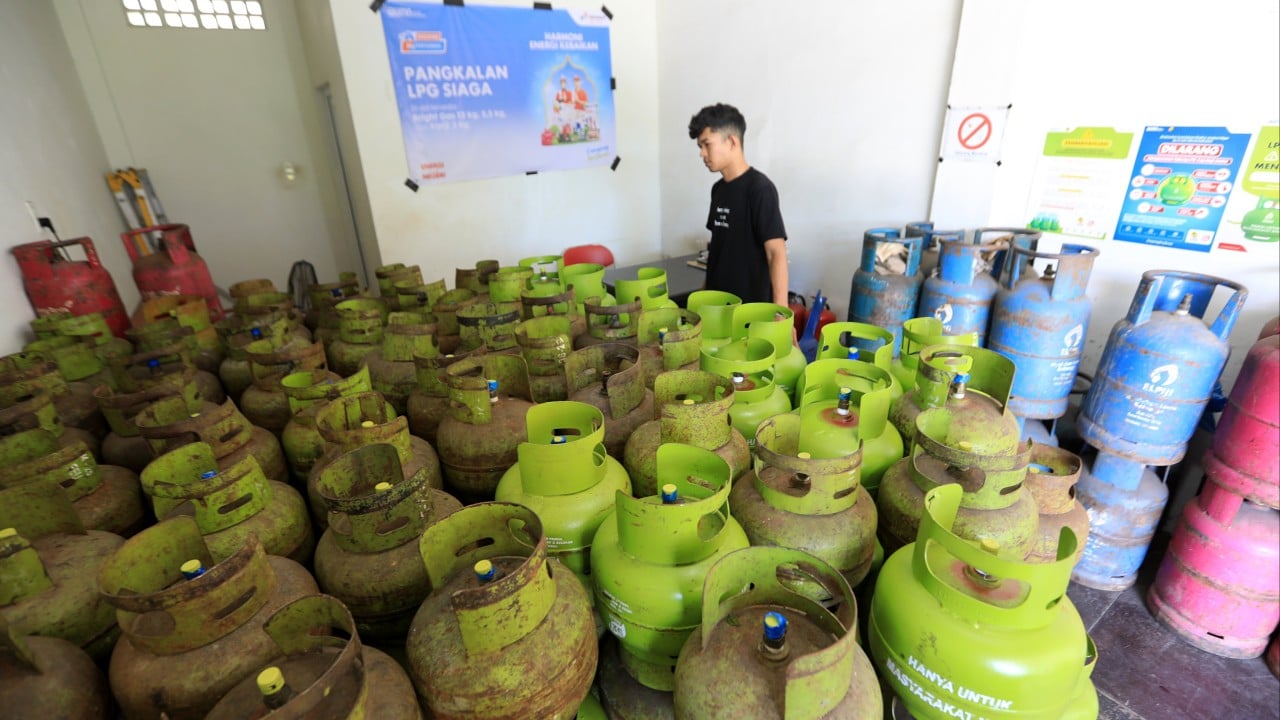
인도네시아가 비보조 연료 가격을 인상하면서 저소득층의 보조 연료 의존도가 높아져 공급 부족과 정부 재정 부담이 가중될 수 있다는 우려가 제기됐다.
비보조 연료 가격 인상과 파급 효과
인도네시아의 국영 에너지 기업인 페르타미나(Pertamina)가 일부 비보조 연료 제품의 가격을 인상했다. 경제학자들은 이러한 조치가 더 많은 가구를 보조 연료로 이동하게 하여 공급 부족을 심화시키고, 이미 정치적으로 민감한 에너지 비용을 억제하려는 국가 예산에 추가적인 압력을 가할 수 있다고 경고했다. 이는 정부가 국제 유가 상승에 따라 시장 가격 연료는 인상하는 동시에 저소득층이 사용하는 보조 제품을 보호하려는 균형 잡기 노력의 일환이다.
정부의 에너지 정책 딜레마
이번 가격 인상은 인도네시아 정부가 직면한 에너지 정책의 딜레마를 보여준다. 국제 유가 변동에 따라 시장 가격을 조정하면서도, 서민 생활 안정과 직결되는 보조금 정책을 유지해야 하는 상황이다. 비보조 연료 가격 상승은 저소득층의 보조 연료 의존도를 높여, 결과적으로 보조금 지출을 늘리고 정부 재정에 부담을 줄 수 있다는 분석이다.
*출처: SCMP (2026-04-22)*
관련 기사



📧 뉴스레터 구독
매일 아침 글로벌 뉴스 브리핑을 이메일로 받아보세요.
아직 무료입니다.