Original Source
Australia's Fuel Crisis Worsens, National Cabinet Called for Emergency Meeting
Widespread Fuel Shortages and Surging Prices
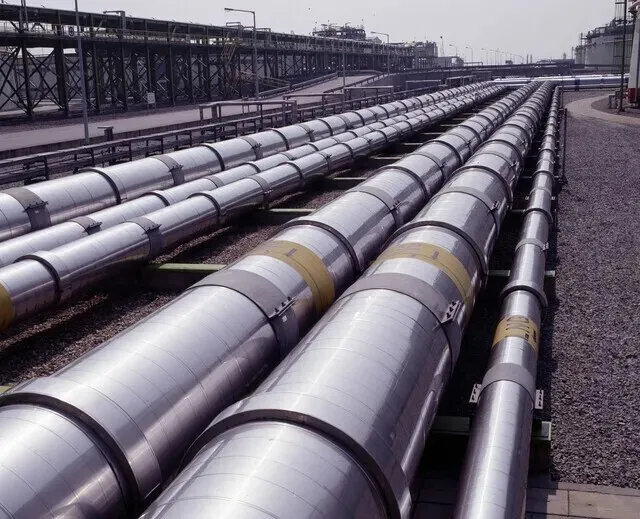
Australia is grappling with a severe fuel shortage across the country. More than 520 service stations have run out of at least one type of fuel, with New South Wales being the hardest hit with 226 affected stations. This is followed by Victoria (117), Queensland (88), Western Australia (54), and South Australia (19). The national average price for unleaded petrol has reached $2.56 per litre, while diesel now costs $3.14 per litre, hitting new highs and exacerbating public anxiety and frustration. The fuel scarcity is attributed primarily to panic buying and supply chain disruptions caused by the war in the Middle East.
Government Response and State Demands
Australian Prime Minister Anthony Albanese has called a National Cabinet meeting for Monday to address the crisis. The Prime Minister stated that he aims for a 'strongest possible plan' to stabilize fuel supplies. However, state governments are pushing for a more consistent and coordinated national approach, drawing lessons from the COVID-19 pandemic, even as the federal government attempts to project a sense of 'calm'. Victorian Premier Jacinta Allan emphasized that any response to a shortening of supply should be a nationally coordinated one.
Cost of Living Pressure and Minimum Wage Discussions
Rising fuel prices are intensifying cost of living pressures. In response, the Australian Government is advocating for a minimum wage increase above the inflation rate of 3.7%. Unions are pushing for a 5% increase in the minimum wage, while businesses are backing a 3.5% increase. Minister for Employment Amanda Rishworth noted the 'volatile environment' but refrained from nominating a specific figure. The government is also considering measures such as encouraging working from home and even rationing to prevent disruptions to essential services, from freight to waste collection.
*Source: YouTube: ABC Australia (2026-03-26)*