
원본 기사
기사
AI 의료 혁신, '변환 가능성 격차'로 임상 적용 난항
AI 의료 기술의 혁신적인 발전에도 불구하고, 실제 임상 현장에서의 적용이 지연되는 '변환 가능성 격차'가 주요 문제로 지적되고 있다.
AI 의료 발전과 임상 적용의 괴리
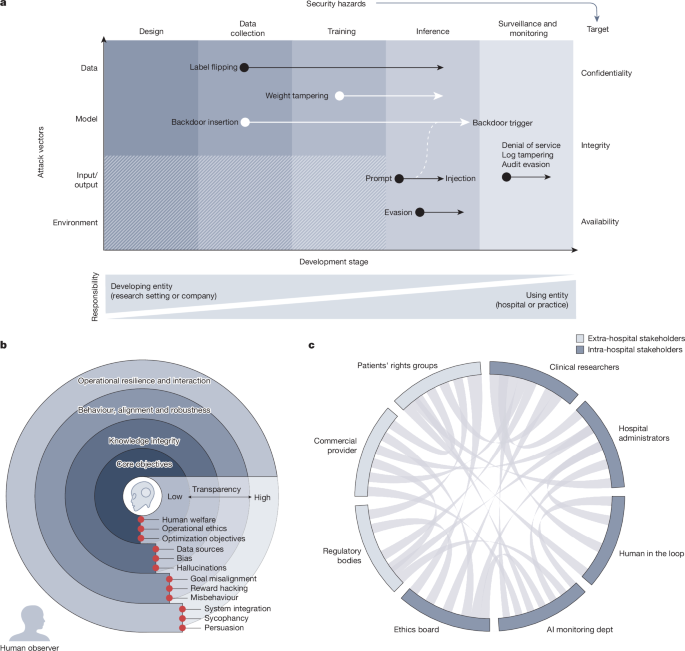
인공지능(AI) 기술은 의료 분야에서 진단 정확도 향상과 치료법 개발 등 혁신적인 잠재력을 보여왔습니다. 하지만 많은 AI 기반 의료 기술이 연구실 단계의 성공에도 불구하고, 실제 임상 환경에 적용되는 과정에서 어려움을 겪는 것으로 나타났습니다. 이는 연구 결과가 실질적인 의료 서비스로 이어지지 못하는 이른바 '변환 가능성 격차' 때문입니다.
데이터 불일치 및 규제 장벽
AI 의료 기술의 임상 적용을 가로막는 주요 요인으로는 연구 단계에서 사용된 데이터와 실제 환자 데이터 간의 불일치가 꼽힙니다. 연구는 종종 통제된 환경의 정제된 데이터로 이루어지지만, 현실의 임상 데이터는 다양성과 복잡성을 띠기 때문입니다. 또한, 새로운 AI 의료기기에 대한 엄격한 규제 승인 절차와 책임 소재 문제 역시 기술 도입을 지연시키는 요인으로 작용합니다.
*출처: the-scientist.com (2026-03-18)*
관련 기사



📧 뉴스레터 구독
매일 아침 글로벌 뉴스 브리핑을 이메일로 받아보세요.
아직 무료입니다.