
Original Source
UAE Conducted Dozens of Airstrikes on Iran in Coordination with US, Israel
UAE Conducted Dozens of Airstrikes on Iran's Energy Facilities
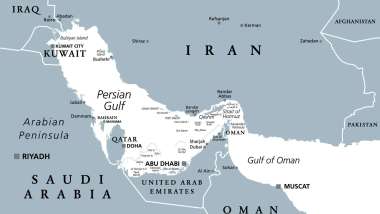
Sources reveal that the United Arab Emirates (UAE), in coordination with the United States and Israel, carried out dozens of airstrikes against Iran's energy facilities, ports, and strategic locations in the Strait of Hormuz. These attacks, which lasted from the early stages of the war until the day after a ceasefire was announced in April, suggest a deeper involvement by the UAE in the Middle East conflict than previously known. Targeted sites included Qeshm Island and Abu Musa Island in the Strait of Hormuz, Bandar Abbas Port, the oil refinery on Lavan Island in the Persian Gulf, and the Assaluyeh petrochemical facilities.
These airstrikes are understood to be retaliatory actions against Iran's initial attacks on the UAE's oil and gas infrastructure. Indeed, Iran struck the UAE with over 2,800 missiles and drones during the conflict, more than any other country, including Israel, targeting densely populated areas, energy infrastructure, and airports in the UAE.
Escalation of Regional Tensions and Diplomatic Friction
The UAE's Ministry of Foreign Affairs stated that Iran must bear full responsibility for these "terrorist attacks" and all their consequences. The UAE's assertive response has intensified divisions among Gulf nations. In early April, Saudi Arabia complained to the US that the UAE's retaliatory actions increased the risk of Iranian strikes on regional energy facilities, potentially leading to soaring oil prices and global market disruption. Saudi Arabia urged the US to pressure the UAE to cease its counterattacks and engage in diplomatic mediation. While publicly condemning Iranian attacks, Saudi Arabia adopted a more subdued diplomatic approach.
UAE President Mohammed bin Zayed reportedly felt frustrated with Saudi Crown Prince Mohammed bin Salman for refusing to participate in coordinated military actions against Iran. This disagreement has further widened existing fissures between the two countries, who have previously supported opposing factions in Sudan and Yemen while vying for influence in the Red Sea region.
*Source: news.cnyes.com (2026-05-31)*
Related Articles
📧 Daily Newsletter
Get the daily global news briefing in your inbox every morning.
It's still free.


