Original Source
Iran's Nuclear Issue at the Core of US-Iran Conflict and Peace Talks
President Trump Pledges to Recover and Destroy Iranian Uranium
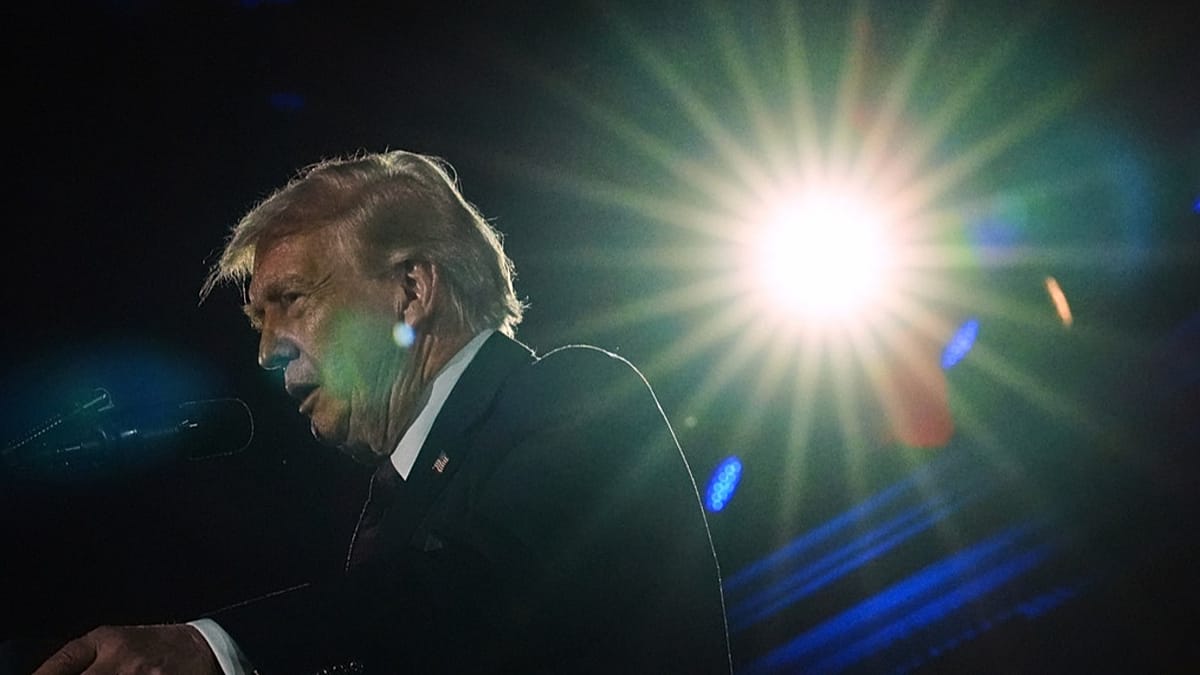
US President Donald Trump reiterated his determination to recover Iran's stockpile of highly enriched uranium. Speaking at a White House press briefing, President Trump stated that the United States would 'probably destroy it' after obtaining it and would not allow Iran to possess it. This firm stance followed reports that Iran's Supreme Leader Ayatollah Mojtaba Khamenei had issued a directive prohibiting the export of Iran's weapon-grade uranium, according to Reuters. This underscores the escalating tension surrounding Iran's nuclear program.
Pakistan's Diplomatic Efforts Amidst Complex Nuclear Standoff
Pakistan is continuing its role as an intermediary between the US and Iran. Pakistan's Interior Minister has reportedly visited Tehran twice this week, with speculation also rising about a visit by Pakistan's army chief. However, Frank Gardner, Security Correspondent, highlighted the nuclear issue as central to the dispute, noting that Israel and the US suspect Iran is secretly developing or is on the verge of developing nuclear weapons. Iran denies these allegations, maintaining its right to enrich uranium for peaceful purposes. Jiyar Gol, BBC Persian Correspondent, pointed out that rumors of the Supreme Leader's ill health and the growing influence of hardliners within Iran could be shaping the country's negotiation stance.
Looming Oil Market 'Red Zone' and Regional Instability
Fatih Birol, Executive Director of the International Energy Agency (IEA), warned that the global oil market risks entering a 'red zone' by July or August if there is no progress in ending the Middle East conflict. He attributed this risk to eroding oil stocks, limited new supplies from the Middle East, and increasing demand during the summer travel season. James Landale, Diplomatic Correspondent, explained that while both the US and Iran desire a deal, neither side is willing to make the initial concessions necessary for a diplomatic breakthrough. He highlighted the significant risk of escalation, noting that Gulf countries are particularly concerned about the impact on energy and desalination plants, which could have severe consequences for the global economy.
*Source: YouTube: BBC News (2026-05-21)*
Related Articles
📧 Daily Newsletter
Get the daily global news briefing in your inbox every morning.
It's still free.