Original Source
US Begins Strait of Hormuz Blockade; Trump Condemns Iran's 'Blackmail'
US Commences Blockade of Strait of Hormuz
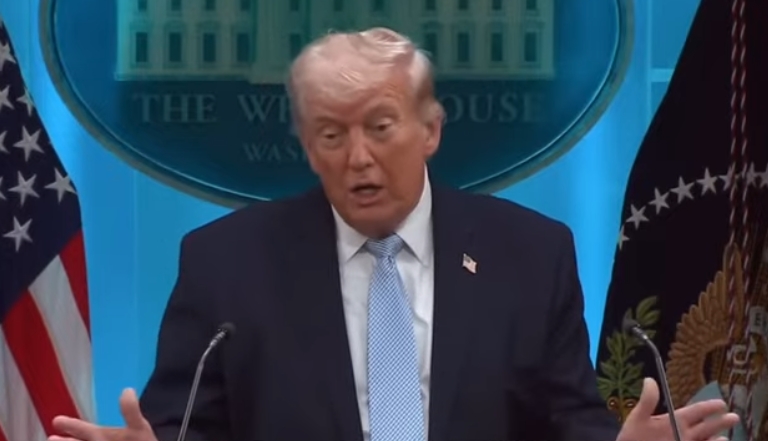
Following Iran's six-week blockade of the Strait of Hormuz, the United States has now begun its own blockade of the strategic waterway. This development comes after peace talks with Iran collapsed over the weekend. US warships are positioned off the Iranian coast, monitoring vessels departing from Iranian ports and coastal areas. Commercial ships will be stopped and boarded, and President Donald Trump stated that military vessels will be 'eliminated'.
International Concern and Economic Implications
Christopher Preble, a senior fellow at the Stimson Center, noted that the blockade is a time-consuming and potentially risky operation. He warned of possible international tensions if foreign-flagged vessels are boarded. While Trump claims the blockade is to prevent Iran from 'blackmailing the world', Preble clarified that oil prices are set on a global marketplace, and disruptions in supply, regardless of their source, would inevitably lead to price increases and potential shortages for everyone, including the United States and other nations. The United Nations has also expressed opposition, with France and the UK planning to meet without the US to discuss restoring traffic through the strait.
Escalation Risks and US Strategy
Preble expressed concern that the Trump administration has consistently sought to escalate pressure on Iran since withdrawing from the Joint Comprehensive Plan of Action (JCPOA). While Iran has demonstrated resilience against economic hardship, these pressures have not led to regime change. Preble warned that if the US resorts to force against ships, especially those not definitively Iranian flagged, it could escalate into wider conflicts. He fears a direct exchange of fire between US Navy ships and vessels of other nations, which would raise significant escalation risks. Despite Trump's apparent willingness to endure prolonged 'pain' for the US and its allies through these actions, Preble suggests that this approach has yet to achieve the desired policy outcomes from Iran.
*Source: YouTube: DW News (2026-04-14)*