LATEST
#news#이란#미국#트럼프

Original Source

이란 전쟁 휴전…물가는 언제 내리나
📰
이란 전쟁 휴전…물가는 언제 내리나
v.daum.net v.daum.net
🕐 2026년 4월 9일 AM 10:26
Article

Iran-US Ceasefire Stabilizes Oil Prices, but Inflation Relief Will Take Time

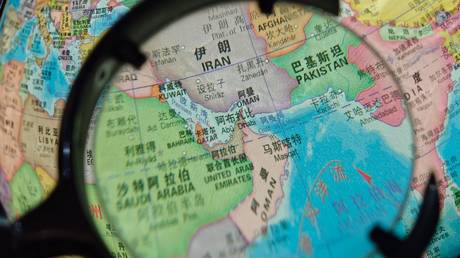
A two-week ceasefire agreement between the US, Israel, and Iran is expected to reopen the Strait of Hormuz. While international oil prices have fallen, it is anticipated that it will take a significant amount of time for inflation to stabilize to previous levels.
Thu Apr 09 2026

Iran-US Ceasefire Reaches, International Oil Prices Fall

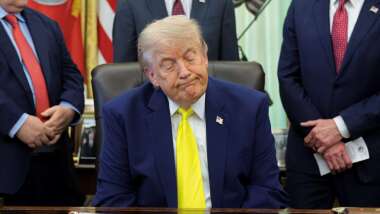
The rising energy costs caused by the war between the United States, Israel, and Iran are now stabilizing following a ceasefire agreement. Following an announcement by US President Donald Trump, both sides have agreed to a two-week ceasefire, which is expected to allow the reopening of the Strait of Hormuz, through which 20% of the world's oil is transported. After President Trump's ceasefire announcement yesterday, international oil prices sharply dropped, with Brent crude for June delivery trading at $97.14 and West Texas Intermediate (WTI) for May delivery at $97.03.

Significant Time Expected for Inflation Stabilization

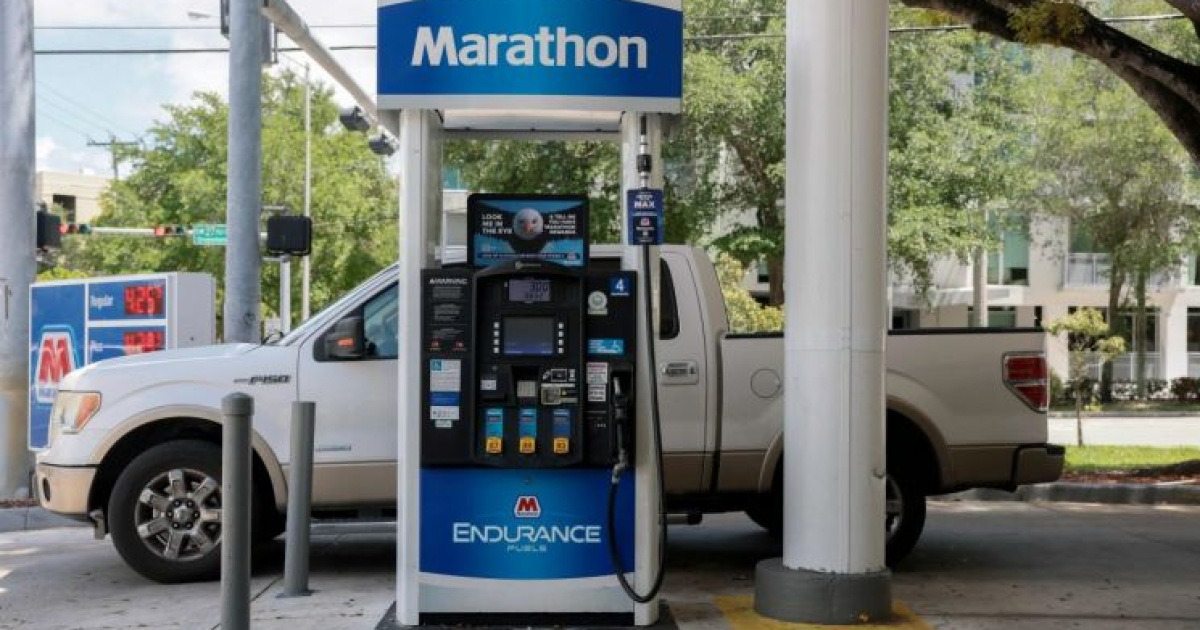
Despite the drop in oil prices, it is anticipated that a considerable amount of time will pass before consumer prices, especially gasoline prices, stabilize. According to the AAA, the average nationwide gasoline price in the US before the ceasefire was $4.164 per gallon, significantly higher than the $2.98 per gallon before the outbreak of the war. The energy industry compares changes in gasoline prices to a 'rocket and feather,' indicating that while oil price increases are quickly reflected, decreases are slow. Experts explained that it could take 10 to 14 days for falling oil prices to be reflected at gas stations, and the US Energy Information Administration (EIA) predicted that it could take several months for the reopening of the Strait of Hormuz to lead to lower energy prices.

Potential for Toll Fees in Strait of Hormuz Raised

Even with the full reopening of the Strait of Hormuz, factors contributing to price instability remain. The widespread damage to oil infrastructure in Persian Gulf oil-producing countries due to the war means that production recovery will take time. Furthermore, according to a Wall Street Journal (WSJ) report, Iran plans to impose tolls and restrict vessel traffic even during the two-week ceasefire period. For very large crude carriers, tolls could reach up to $2 million, which would increase oil export costs and negatively impact price stability.

*Source: v.daum.net (2026-04-09)*

Share Facebook X Email

Related Articles