
원본 기사
기사
미국, 호르무즈 해협 위기 해결 책임 동맹국에 전가 시사
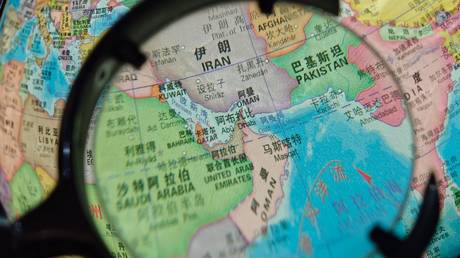
미국이 이란의 호르무즈 해협 봉쇄 해제에 대한 군사적 목표가 없으며, 동맹국들이 이 문제 해결을 주도할 것으로 기대한다고 밝혔다.
호르무즈 해협 봉쇄와 미국의 입장
이란은 미국-이스라엘 연합의 정권 교체 시도에 대한 보복으로 호르무즈 해협의 통행을 제한하고 있다. 이로 인해 페르시아만에서 생산되는 탄화수소 및 필수 상품의 흐름이 감소하여 국제 유가가 상승하고 경제적 혼란 위험이 고조되고 있다. 마르코 루비오 미국 국무장관은 알자지라와의 인터뷰에서 해협 봉쇄 해제가 미국의 전쟁 목표가 아니라고 밝혔다. 그는 미국은 이란의 군사 능력 약화에 집중하고 있으며, 해협은 결국 '어떤 식으로든' 개방될 것이라고 덧붙였다. 만약 이란이 현재 조건을 고수한다면, 미국이 참여하는 '국가 연합'이 해협 개방을 보장할 것이라고 언급했다.
동맹국에 대한 압박과 트럼프 행정부의 전략
도널드 트럼프 행정부는 해협 봉쇄 해제가 4~6주로 설정된 갈등 기간을 넘길 수 있다고 판단하며, 유럽 및 걸프 지역 동맹국들에게 해협 재개방 주도를 압박할 계획이라고 월스트리트저널은 보도했다. 이는 나토 회원국들이 미국의 신뢰성에 의문을 제기하는 상황에서 나온 발언이다. 보리스 피스토리우스 독일 국방장관은 트럼프 대통령의 참전 요청에 대해 '우리 전쟁이 아니다'라고 거부했다. 트럼프 대통령은 이에 대해 우크라이나에 대한 미국의 지원을 중단하겠다고 위협하며, 우크라이나와 러시아의 갈등 역시 '내 전쟁이 아니다'라고 주장했다.
*출처: RT News (2026-03-31)*
관련 기사


📧 뉴스레터 구독
매일 아침 글로벌 뉴스 브리핑을 이메일로 받아보세요.
아직 무료입니다.