Original Source
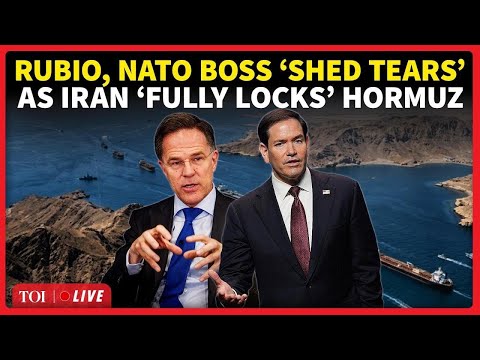
Oil Prices Drop After Strait of Hormuz Reopens, Market Stability Expected
Strait of Hormuz Reopens, Oil Prices Decline
Global oil prices have fallen below $100 a barrel after a two-week ceasefire agreement between the US and Iran led to the reopening of the Strait of Hormuz. This development has alleviated concerns about supply disruptions in the West Asia region. US crude prices dropped by nearly 15%, while Brent crude fell over 13%, marking some of the sharpest declines in recent years. The deal, announced by President Donald Trump, aims to ease tensions and restore flows through the critical oil route, which carries about 20% of the world's oil supply.
Jet Fuel Recovery Expected to Take Months
Analysts suggest that while the temporary truce could stabilize energy markets in the short term, much depends on the ceasefire's endurance and the Strait of Hormuz remaining fully operational. According to the International Air Transport Association (IATA), jet fuel supplies and prices could take months to stabilize due to concentrated refining infrastructure in the Gulf region. IATA Chief Willie Walsh noted that recovery would not happen in weeks, emphasizing that damage to refining capacity in West Asia will continue to impact supply. Higher fuel costs are expected to push up airfares, with airlines likely passing on the burden to passengers.
India's Central Bank Holds Rates; Tech Updates
The Indian central bank has kept interest rates unchanged at 5.25%, balancing strong economic growth with rising inflation risks from the Iran conflict. Inflation has inched up for the fourth consecutive month, although growth remains robust at 7.8%. Meanwhile, the Trump administration plans to cut the budget of the US Cybersecurity and Infrastructure Security Agency (CISA) by at least $707 million by 2027. In technology news, Anthropic states that its yet-to-be-released AI model, Claude Mythos, has already identified thousands of vulnerabilities in operating systems, web browsers, and other software. Uber is expanding its partnership with Amazon Web Services (AWS) to use Amazon's custom chips for boosting computing power and training artificial intelligence models.
*Source: YouTube: WION (2026-04-08)*