
원본 기사
기사
AI, 의료 서비스 혁신 기여…진단·치료 효율성 증대
AI가 의료 서비스에 접목되어 진단 및 치료 과정을 변화시키고 있으며, 의사들의 데이터 해석 및 환자 우선순위 지정에 기여하고 있다.
AI, 의료 현장 효율성 증진
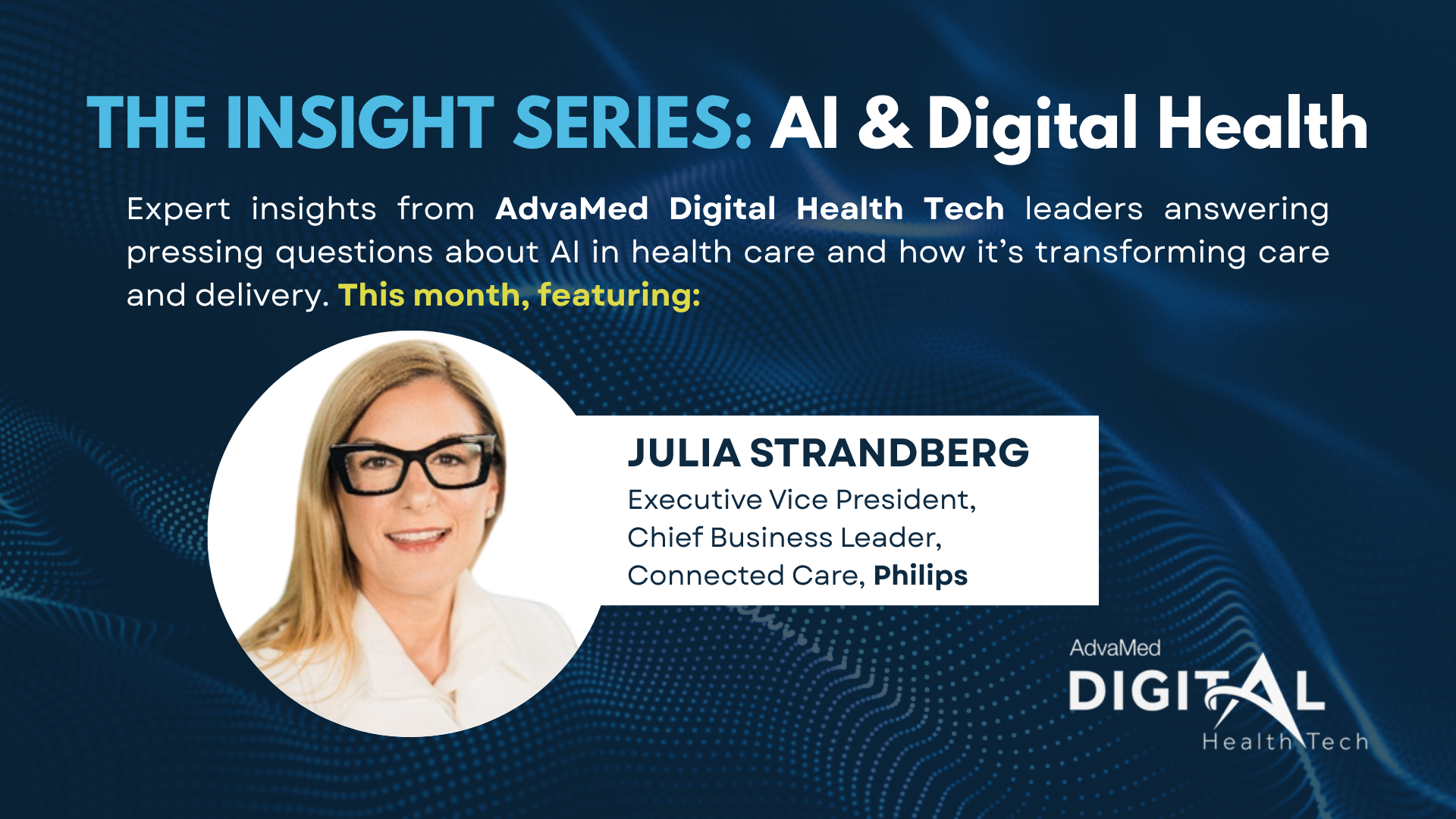
AI는 이미 의료 현장에서 다양한 방식으로 활용되고 있으며, 특히 임상 데이터를 더 빠르게 해석하고 환자의 우선순위를 정하며, 행정 업무 부담을 줄여 의료진이 환자 치료에 집중할 수 있도록 돕는다. 필립스의 줄리아 스트랜드버그 전무는 AI 혁신이 급성기 병원부터 외래 진료 및 재택 간호에 이르기까지 전체 의료 연속체에 걸쳐 실시간 및 장기 환자 데이터를 연결하여 복잡성을 예측 가능하고 실행 가능한 통찰력으로 전환한다고 밝혔다. 이를 통해 의료진의 워크플로우에 AI를 통합하여 더욱 능동적이고 체계적인 치료를 가능하게 한다.
환자 중심의 AI 의료 서비스
환자들은 AI가 독립적으로 작동하는 것이 아니라 의료진에게 더 정확하고 신속한 정보를 제공하여 진단을 가속화하고, 맞춤형 치료를 통해 궁극적으로 더 나은 결과를 얻을 수 있도록 지원한다는 점을 인지해야 한다. AI의 실질적인 가치는 임상 의사 결정을 개선하고 운영 효율성을 높이며, 제한된 자원으로 증가하는 의료 수요를 관리하는 데 있다. 특히 조기 진단, 워크플로우 최적화, 데이터 해석을 통한 인지 부담 감소 등에서 AI의 긍정적인 효과가 나타나고 있다.
*출처: advamed.org (2026-03-30)*
관련 기사



📧 뉴스레터 구독
매일 아침 글로벌 뉴스 브리핑을 이메일로 받아보세요.
아직 무료입니다.