Original Source
Strait of Hormuz Blockage Threatens Global Economy
Current Shipping Status and Iran's Stance on the Strait of Hormuz
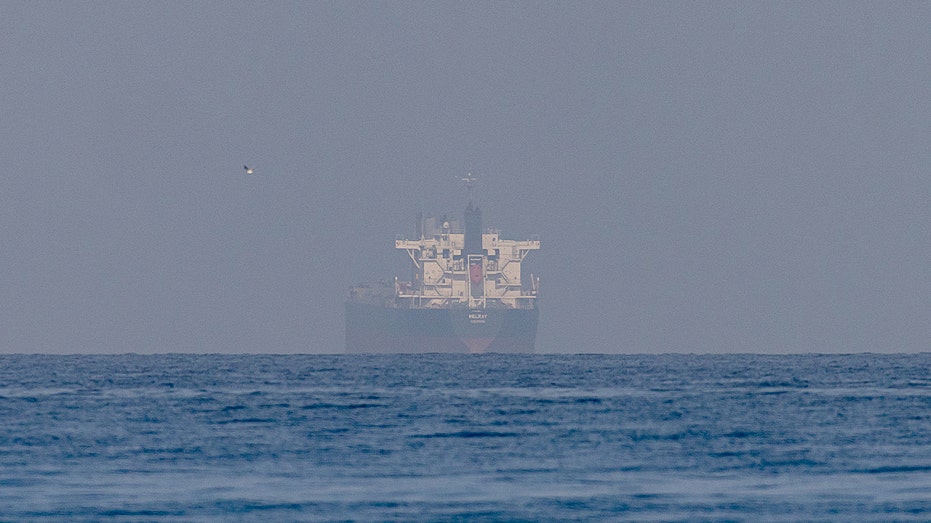
Iran claims it is not blocking the Strait of Hormuz, but only a handful of ships have passed through this critical waterway since the war began in late February. Normally, 100 to 130 ships transit the strait daily, but only about 100 ships have passed in total since the conflict started. This situation arises from Iran's effective blockage of nearly all traffic in response to US and Israeli attacks, leading to soaring oil prices and unsettling the global economy.
Soaring War Risk Insurance Premiums Disrupt Shipping
One of the main reasons ships are not passing through the Strait of Hormuz is the issue of insurance. As tensions escalated, some commercial vessel insurers began withdrawing war risk coverage for ships in the Middle East. Other insurers are still offering it but at exorbitant prices. Insurance premiums, which were less than 1% of a ship's value before the war, now stand at as much as 7.5% per trip. For a large oil tanker worth about 100 million dollars, insurance that might have cost around 250,000 dollars before the conflict can now hit 2 to 3 million dollars, or even higher, with some tankers pushing premiums up to 7 to 9 million dollars for a single journey. This increased cost is passed on to energy bills and the broader economy, especially for countries that rely heavily on fuel from the Persian Gulf.
President Trump's Options and Iran's Assertions
President Trump has vowed to reopen the route one way or another, but it's not that simple. Christian Breuger from the University of Copenhagen notes that insurance is only one factor; shipping companies' reputation and the risks for the crew are also significant. He emphasizes that this cannot be addressed militarily, requiring an agreement with Iran. Iran's IRGC maintains that it will not allow enemy ships through, making it clear that they are still calling the shots in the strait. Currently, most tanker operators are unwilling to take the risk, contributing to the broader economic instability.
*Source: YouTube: DW News (2026-03-28)*