
원본 기사

미국, AI 칩 대중 수출 및 일자리 영향 두고 규제 논의 활발
AI 칩 대중 수출 논란 및 조사 요구
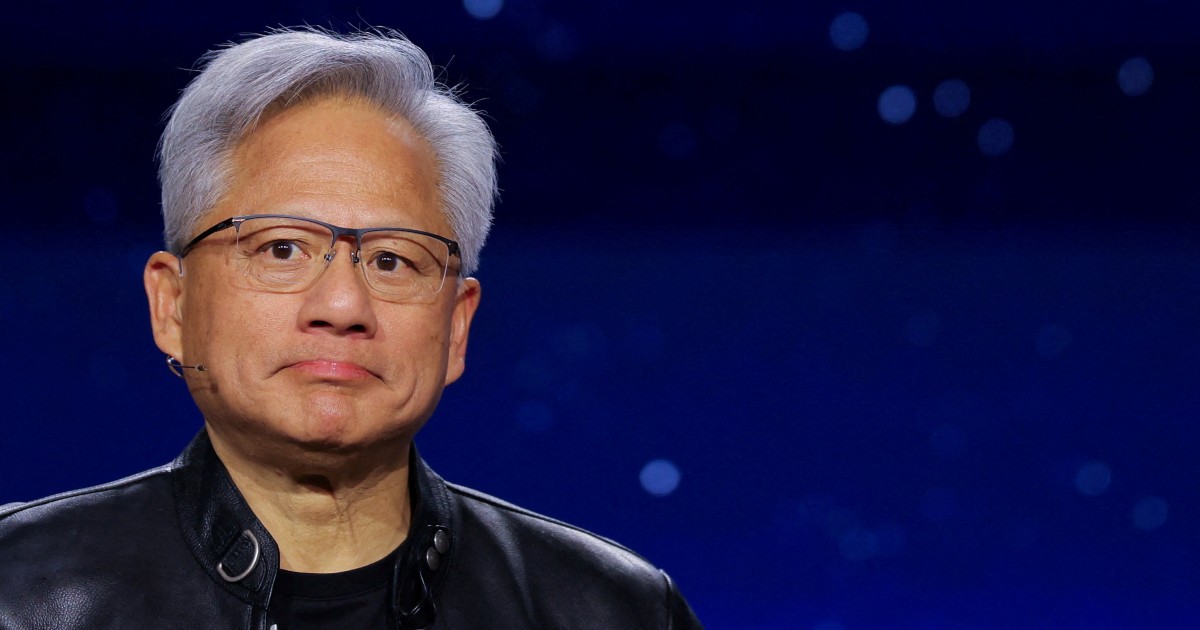
엔비디아는 작년 12월 트럼프 정부로부터 중국에 주력 칩의 이전 세대 모델인 H200 칩 판매를 승인받았다. 이에 미국 민주당 엘리자베스 워런 상원의원과 공화당 짐 뱅크스 의원은 23일(현지시간) 하워드 루트닉 상무부 장관에게 서한을 보내, 젠슨 황 엔비디아 최고경영자(CEO)의 발언이 미국 관리들을 오도하여 중국에 대한 AI 칩 수출 승인 결정에 영향을 미쳤는지 조사할 것을 요구했다. 이들은 황 CEO가 'AI 칩 전용 증거가 없다'거나 '전용은 허용되지 않는다'고 발언했으나, 당시 이미 AI 칩의 불법 중국 운송 조사가 보도된 상황에서 이 발언이 사실과 달랐다고 지적했다. 앞서 미국 당국은 슈퍼마이크로 경영진 3명을 엔비디아 AI 칩이 탑재된 서버를 동남아로 판매 후 라벨을 제거해 중국으로 불법 전매한 혐의로 기소한 바 있다.
AI의 일자리 영향 및 규제 논의
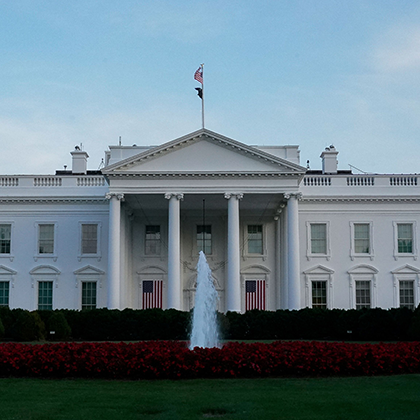
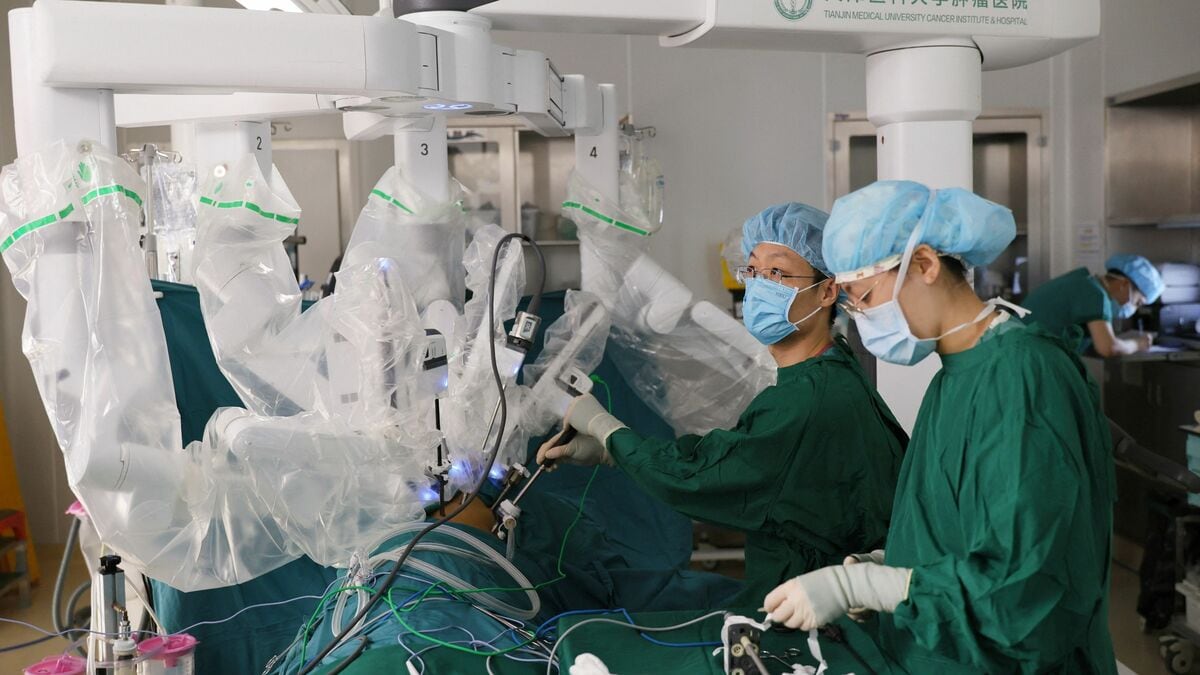
미국 최고재무책임자(CFO)들을 대상으로 한 최신 조사에 따르면, AI는 올해 기업의 전반적인 고용에 미미한 영향을 미칠 것으로 예상되지만, 비서 및 행정직과 같은 일상적인 사무직은 AI로 인해 해고될 가능성이 두 배 높은 것으로 나타났다. 반면 건축가, 엔지니어 등 고숙련 인력은 AI를 활용해 업무 효율성을 높일 수 있어 일자리를 유지할 가능성이 높다고 보고서는 밝혔다. 한편 미국 백악관은 AI 정책 지침을 통해 AI 규제 방식에 대한 논의를 촉발했다. 일부에서는 파편적인 주별 법률이 미국의 AI 경쟁력을 약화시킬 수 있다고 주장하는 반면, 다른 이들은 연방 정부의 느린 입법 과정을 기다리는 동안 시민들이 피해를 볼 수 있다고 우려하고 있다. 이러한 AI 규제 논의는 혁신과 위험 완화, 효율성과 공정성 사이의 균형점을 찾는 과정으로 해석된다.
*출처: 信報網站, 大紀元新聞網, EJ Tech (2026-03-25)*
관련 기사


📧 뉴스레터 구독
매일 아침 글로벌 뉴스 브리핑을 이메일로 받아보세요.
아직 무료입니다.