
원본 기사
북한, '화성' 미사일 전력 강화…미국 주요 도시 사정권
북한 '화성' 미사일 개발 현황
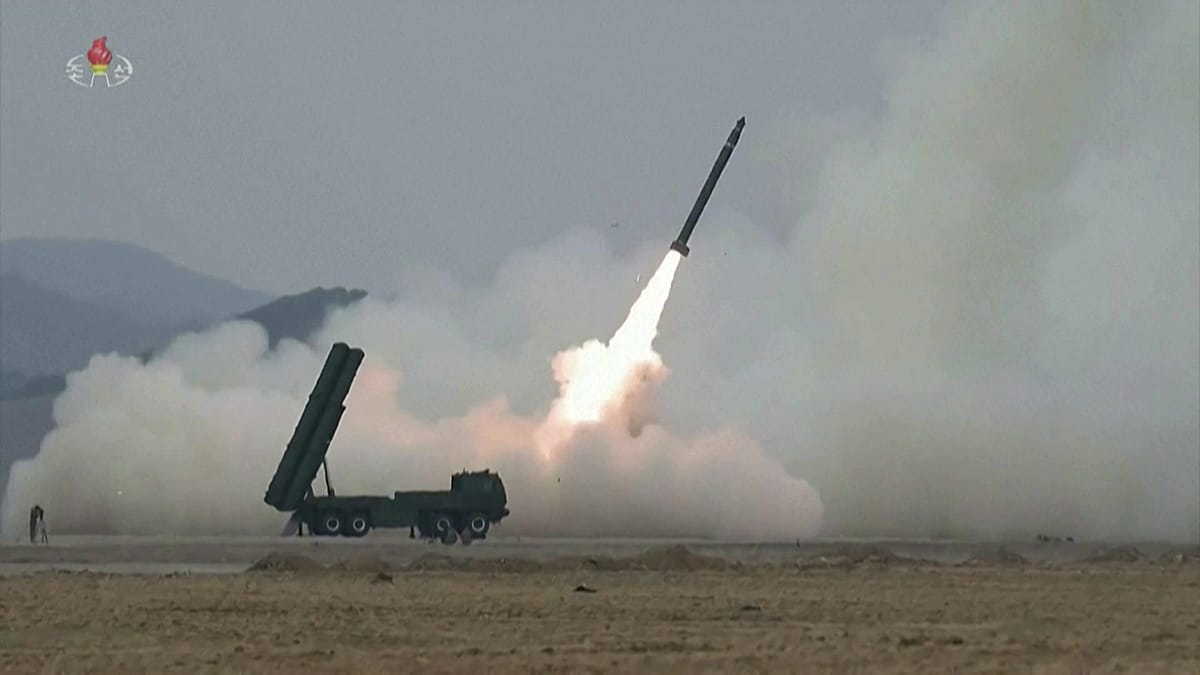
북한의 미사일 프로그램은 '화성' 시리즈를 중심으로 빠르게 진화하고 있으며, 여기에는 단거리 전술 미사일부터 대륙간탄도미사일(ICBM)에 이르는 다양한 종류가 포함된다. 이 미사일들은 고체 연료 기술을 기반으로 하여 액체 연료 미사일보다 더 빠르고 은밀하게 발사될 수 있는 장점을 지닌다. 가장 치명적인 모델로는 화성-20, 화성-19, 화성-18, 화성-17 등이 꼽히며, 이들은 최소 15,000km에 달하는 사거리를 보유하고 있어 워싱턴, 뉴욕, 캘리포니아 등 미국 주요 도시를 사정권에 둔다.
특히 2025년 10월 공개된 화성-20은 북한의 최신 고체연료 ICBM으로, 탐지하기 어려운 차세대 종말 미사일로 알려져 있다. 이 미사일은 다탄두 재진입체(MIRV)를 탑재하여 하나의 미사일로 여러 목표를 동시에 타격할 수 있으며, 마하 22에 이르는 극초음속으로 비행하여 발사 후 25~40분 내에 미국 주요 도시에 도달할 수 있다. 화성-19, 화성-18, 화성-17 역시 핵탄두와 MIRV 기술을 갖추고 있어 비슷한 위협을 제기한다.
미국의 미사일 방어 시스템과 한계
미국은 지상 기반 중간 단계 방어(GMD), 이지스 탄도미사일 방어(Aegis BMD), THAAD, 패트리어트 등 다층적인 미사일 방어 시스템을 갖추고 있지만, 북한의 ICBM 위협에 대한 방어 능력은 여전히 의문시된다. GMD 시스템은 ICBM에 대한 주요 방어 수단이지만, 시뮬레이션에서 최대 55~60%의 요격 성공률을 보이는 것으로 알려져 있다. 이는 3발 중 1발 이상은 목표에 도달할 수 있음을 의미한다.
이지스 BMD는 주로 단거리 목표 요격에 중점을 두지만 ICBM 요격도 가능하며, THAAD와 패트리어트는 지역 방어에 활용되는 종말 단계 방어 시스템이다. 그러나 북한 미사일의 고체 연료 특성상 탐지 및 대응 시간이 짧고, MIRV 기술을 통해 다수의 미사일이 기만체와 함께 공격할 경우 미국의 미사일 방어 시스템이 압도될 가능성이 크다. 이는 값비싼 요격 미사일이 가짜 목표물에 낭비될 수 있음을 의미하며, 벌떼 공격과 회피 기동을 사용하는 미사일에 대해 방어 시스템이 무력화될 수 있는 위험을 내포한다.
*출처: YouTube: WION (2026-03-17)*
관련 기사


📧 뉴스레터 구독
매일 아침 글로벌 뉴스 브리핑을 이메일로 받아보세요.
아직 무료입니다.