
Original Source
Saudi Economy Benefits Unexpectedly from Iran War, Boosting Crown Prince's Vision
Iran War's Impact on Saudi Economy
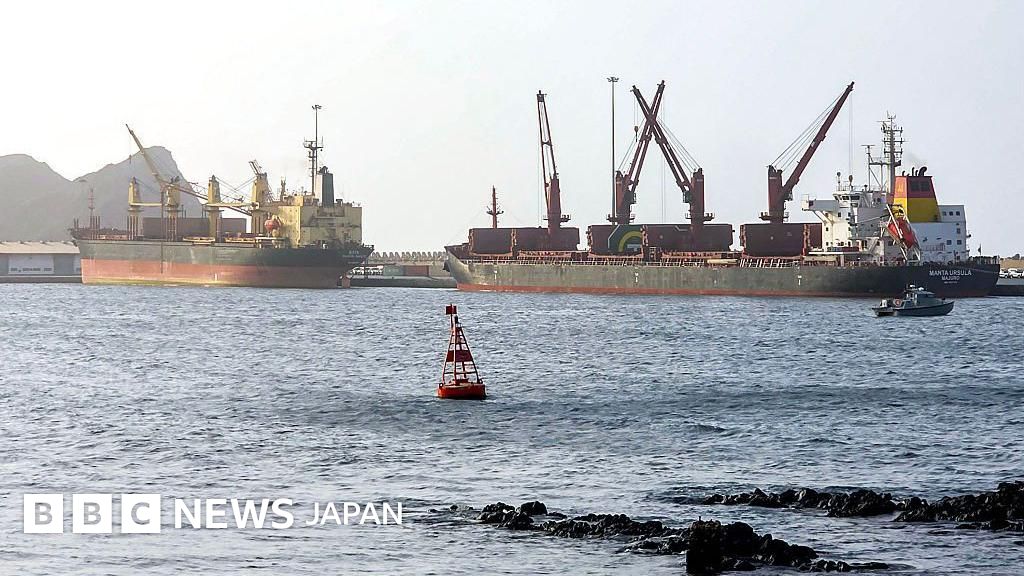
As the Iran war disrupts global energy supply chains, Saudi Arabia is experiencing an unexpected economic boon of billions of dollars due to increased oil revenues. While economic growth has slowed and defense and logistics costs have surged, rising oil prices and emergency response plans are boosting income. Notably, the Red Sea coast in western Saudi Arabia is serving as a crucial logistics corridor, bypassing the blockaded Strait of Hormuz, thereby enhancing Saudi's strategic position.
Accelerating Saudi's Trade Hub Vision and Economic Plans
Hesham Alghanam, a researcher at the Malcolm H. Kerr Carnegie Middle East Center, stated that "Saudi Arabia has demonstrated that it is the indispensable last resort in the Red Sea." This situation is expected to bolster Crown Prince Mohammed bin Salman's $1.3 trillion economic diversification initiative. Saudi Arabia is emerging as a primary transit route for supply chains across the Arabian Peninsula. Its decades-old emergency infrastructure, including east-west pipelines, has enabled it to bypass the Strait of Hormuz and significantly increase oil export revenues. Indeed, Saudi Arabia's oil export revenues reached a more than three-year high of $24.7 billion in the first month of the Middle East conflict.
Economic Advantages and Challenges
Despite these benefits, competition is intensifying. Alternative trade routes are being developed along the eastern coasts of the United Arab Emirates (UAE) and Oman, while the UAE and Qatar are expanding their energy transport capabilities. In April, the International Monetary Fund (IMF) lowered its 2026 economic growth forecast for Saudi Arabia by 0.9 percentage points to 3.1%, though this was the second smallest reduction among Persian Gulf nations after Oman. Ziad Daoud, chief emerging markets economist at Bloomberg Economics, analyzed that "for Saudi Arabia, each month of conflict adds approximately 1.5% of GDP in additional spending," adding that this burden is likely even greater for most neighboring countries.
*Source: TBS NEWS DIG (2026-05-26)*
Related Articles
📧 Daily Newsletter
Get the daily global news briefing in your inbox every morning.
It's still free.