LATEST
Today's top stories at a glance
#news#이란#미국#트럼프

Original Source

How Europe is Replacing China and the US | Business Beyond
YouTube: DW News youtube.com
🕐 2026년 3월 28일 PM 10:01
Article

EU Accelerates Global Trade Shift, Strengthening Partnerships with Emerging Economies like Brazil

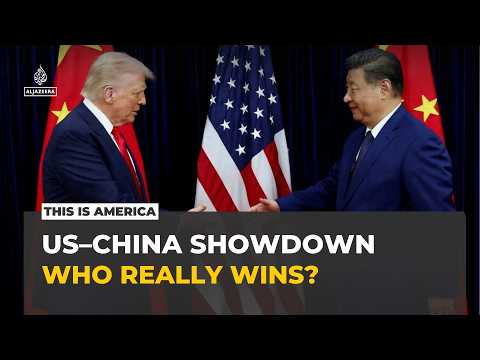
The European Union (EU) is actively seeking new trade partnerships, driven by the need to counter protectionist policies from the Donald Trump administration and reduce reliance on China. Efforts to diversify critical raw material supply chains through mineral trade with Brazil are particularly prominent.
Sat Mar 28 2026

EU Responds to Trump's Policies and China Dependence

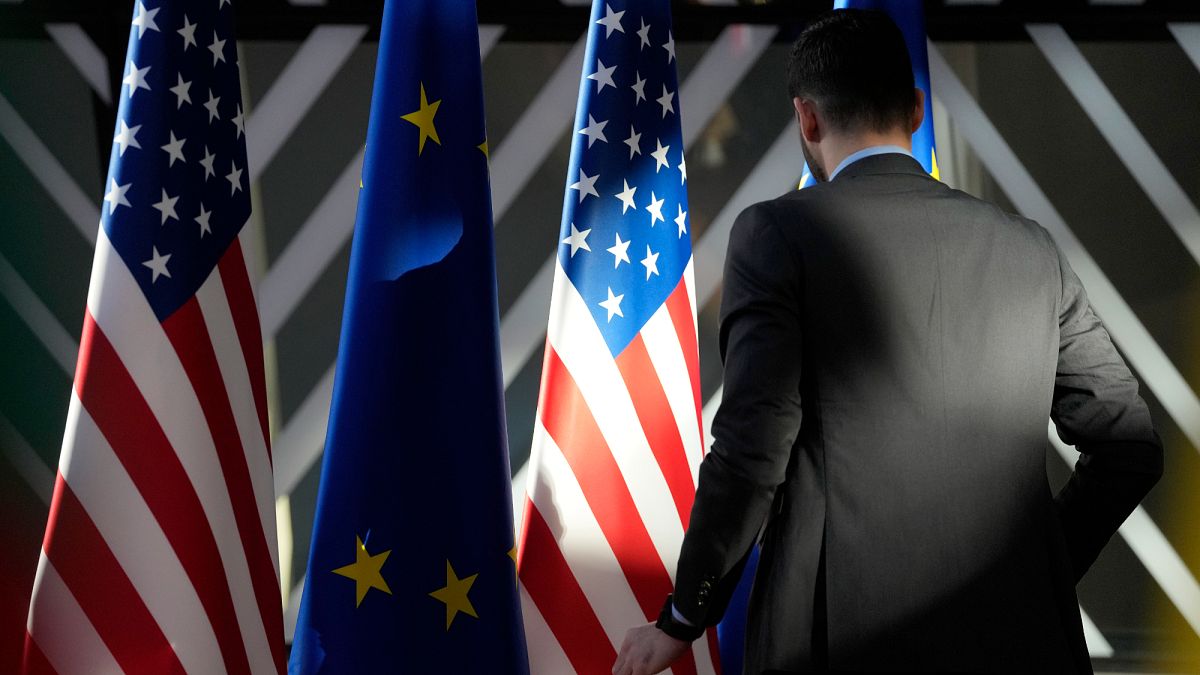
The European Union (EU) has reached a significant turning point in its global trade policy, concluding several trade agreements that had been stalled for decades. This shift is motivated by the Donald Trump administration's tariff policies imposed on the world economy in 2025 and Europe's strategic decision to reduce its over-reliance on China. The EU is actively forging new alliances by signing massive pacts with major economies such as India, Indonesia, Australia, Brazil, and Argentina.

Brazil's Rare Earths Key to EU Supply Chain Diversification

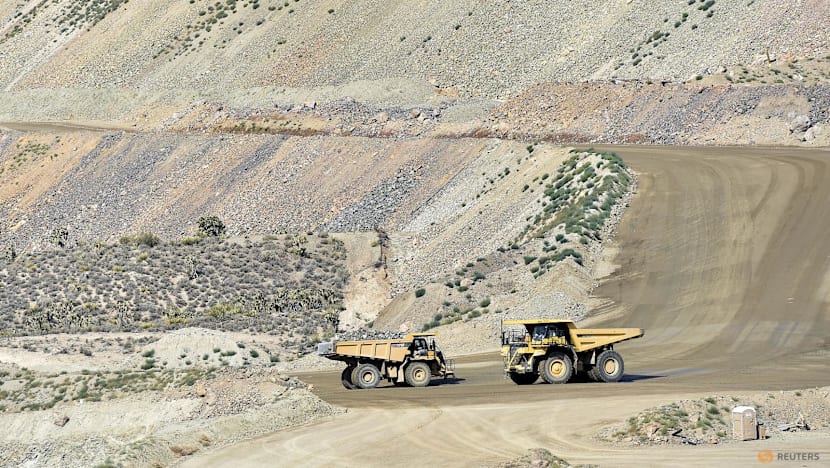
The EU is showing keen interest in mineral development in Brazil's southeastern Mantiqueira mountains. Meteoric Resources, an Australian-owned, Brazil-based company, has discovered major rare earth metal deposits in this region, considered among the largest of their kind globally. Rare earths are crucial raw materials for energy transition technologies like wind turbines and electric vehicles, as well as for the defense industry. With China currently dominating 70% of global rare earth production and 90% of processing, the EU aims to break this monopoly and diversify its supply chain through cooperation with Brazil. Brazil also plays a key role in other critical raw material markets, including niobium, tantalum, aluminum, and natural graphite.

EU-Mercosur Deal Reached Amidst Internal Divisions

The EU-Mercosur trade agreement, which had faced difficulties for decades, was dramatically concluded in Asunción, Paraguay, in January 2026. Negotiations had long been stalled due to differences in environmental standards and agricultural regulations between Europe and South American countries. However, the Trump administration's protectionist policies created an urgent need for the EU to seek new partners, accelerating the negotiations. Paraguayan President Santiago Peña noted that Trump's tariff agenda caused significant concern among European countries, prompting the EU to expedite agreements with other regions. Despite this, criticism against this new flexibility is rising within Europe. European farmers, in particular, protested fiercely against potential unfair competition from South American agricultural products, while environmental activists accused the EU of compromising its climate goals.

*Source: YouTube: DW News (2026-03-28)*

Share Facebook X Email

Related Articles