Original Source
US-China Trade Talks Continue on Second Day in Paris Amid Complex Global Environment
Second Day of US-China Trade Talks in Paris
The economic and trade talks between US and Chinese delegations are continuing for a second day in Paris, France. This round of discussions, held at the Organisation for Economic Co-operation and Development (OECD) building, is crucial for addressing trade frictions between the two global powers. Yesterday's talks ran for approximately seven hours, from 10 AM to 6 PM, but no official press conferences or briefings were held. It is understood that the delegations engaged in closed-door discussions on various pressing issues.
Key Issues and Negotiation Atmosphere
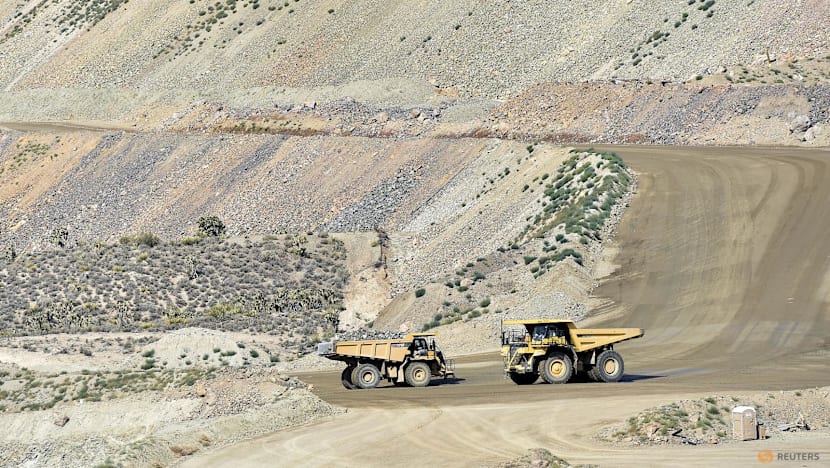
Key issues on the agenda include cooperation in the agricultural sector, particularly the purchase of soybeans, of which China is traditionally the largest buyer from the US. Discussions are also expected to cover rare earth exports, essential for advanced technologies like artificial intelligence (AI) and robotics. Both sides are exchanging views on rectifying trade imbalances and prohibiting the import of goods produced by forced labor, among other comprehensive topics. According to CGTN reporter Ken Browne, the talks are taking place in a highly complex environment, with external factors such as geopolitical instability in the Middle East influencing negotiations.
Future of US-China Relations and Trade Diplomacy
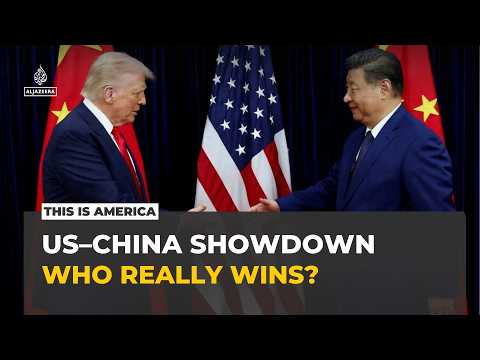
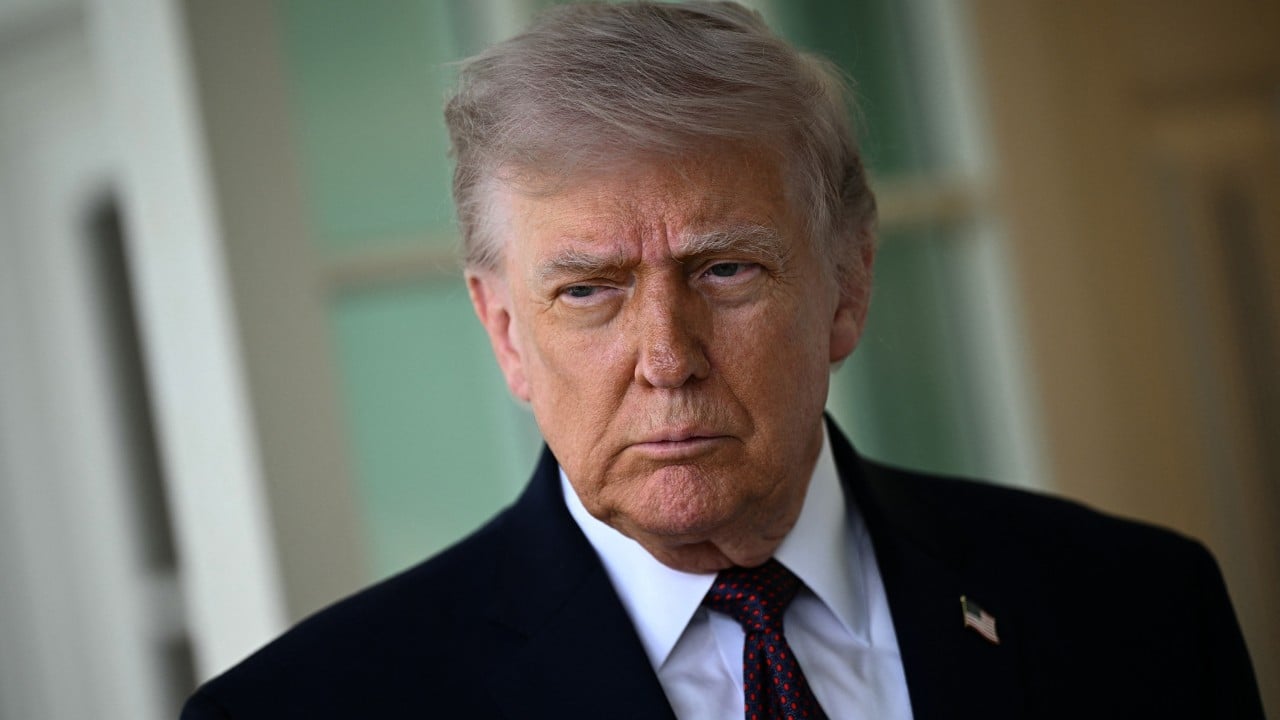
China's Ministry of Commerce has criticized the US investigation into forced labor in 60 countries as a 'typical act of protectionism,' a stance that has also been echoed by the World Trade Organization (WTO) regarding US tariffs. Despite this, the possibility of a US President Donald Trump visit to China at the end of this month, potentially stemming from these talks, remains a topic of speculation, though Beijing has not yet confirmed such a visit. Diplomatic exchanges at the head-of-state level play a critical strategic role in bilateral relations. The outcome of these discussions is expected to have significant implications for the global economy and supply chains.
*Source: YouTube: CGTN (2026-03-16)*