LATEST
Today's top stories at a glance
#news#이란#미국#이스라엘

Original Source

물맛이 다르다며? 일부러 비싼 거 샀더니.. / SBS / 모아보는 뉴스
📰
물맛이 다르다며? 일부러 비싼 거 샀더니.. / SBS / 모아보는 뉴스
YouTube: SBS News youtube.com
🕐 2026년 3월 15일 PM 04:00
Article

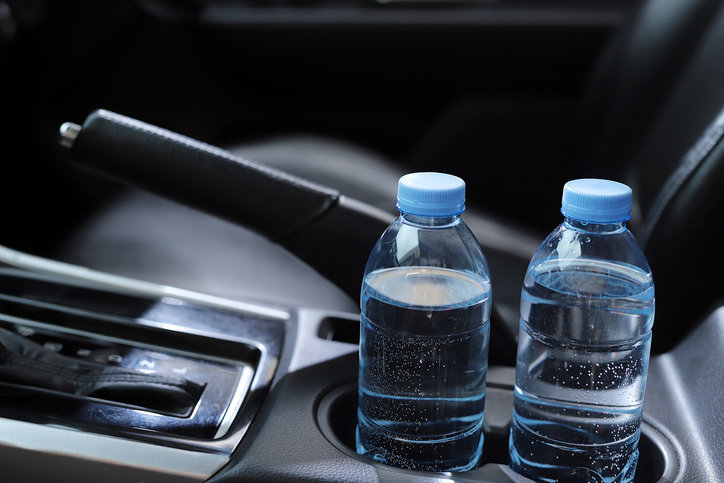
Bottled Water Prices Vary by Brand Up to 1.7 Times, Even with Same Source

A Korea Consumer Agency investigation found that bottled water from the same source and factory can vary in price by up to 1.7 times depending on the brand. Online bottled water deliveries are often randomized from multiple sources, making it difficult for consumers to verify information. The agency also pointed out the need to improve information display on label-free bottled water.
Sun Mar 15 2026

Bottled Water Prices Vary by Brand Up to 1.7 Times, Even with Same Source

A survey by the Korea Consumer Agency on 28 bottled water brands revealed that even bottled water produced from the same source and factory can have a price difference of up to 1.7 times depending on the brand. Notably, Lotte Chilsung's ICIS 8.0 and Coupang's TamSaSu share the same source in Ssangchi-myeon, Sunchang-gun, Jeollabuk-do, and are manufactured at the same Lotus factory. Yet, a pack of 40 500ml bottles showed a price difference exceeding 5,800 won. Converted to 100ml, ICIS cost 72 won and TamSaSu 43 won, a price gap of approximately 67%. Similar price differences were observed for bottled water from the Pocheon, Gyeonggi-do source, with Woongjin Food's Gaya Water (48 won per 100ml) and MongBest's label-free water (59 won per 100ml) showing a 23% difference. This indicates that even with the same water source, prices can vary based on brand and distribution structure.

Online Bottled Water: Source Information and Expiry Date Display Issues

Issues with verifying source information in the online bottled water market have been highlighted. The investigation found that 12 out of the 28 brands randomly deliver products from multiple sources, making it difficult for consumers to know the exact origin of the water before delivery. Some brands even use water from up to nine different sources. As consumers believe that water taste and mineral composition can vary by source, there is a call for a system that provides source information based on delivery regions prior to purchase.

Another identified problem was the display of expiry date information. 64% of the surveyed products' online sales pages only showed the expiry date as '12 months from the manufacturing date' without specifying the manufacturing date, forcing consumers to check the bottle's label only after receiving the product. For label-free bottled water, introduced in 2020 to improve PET bottle recycling efficiency, product information displayed via QR codes on bottle caps or engraved on the container was often in small, blurry text, making it hard for consumers to access. The Korea Consumer Agency emphasized the need to improve these display methods for source and expiry date information.

*Source: YouTube: SBS News (2026-03-15)*

Share Facebook X Email

Related Articles