Original Source
Meta Halts '2Africa' Persian Gulf Section Amid Escalating Middle East Conflict
Meta Halts '2Africa' Submarine Cable Project
Meta Platforms has suspended a portion of its '2Africa' submarine cable project, a massive undertaking aimed at expanding internet services across Africa. The move comes as local operations have stalled due to the escalating conflict in the Middle East. Meta had previously stated six months ago that other sections of the 45,000 km-long '2Africa' submarine cable network were experiencing delays due to geopolitical conflicts.
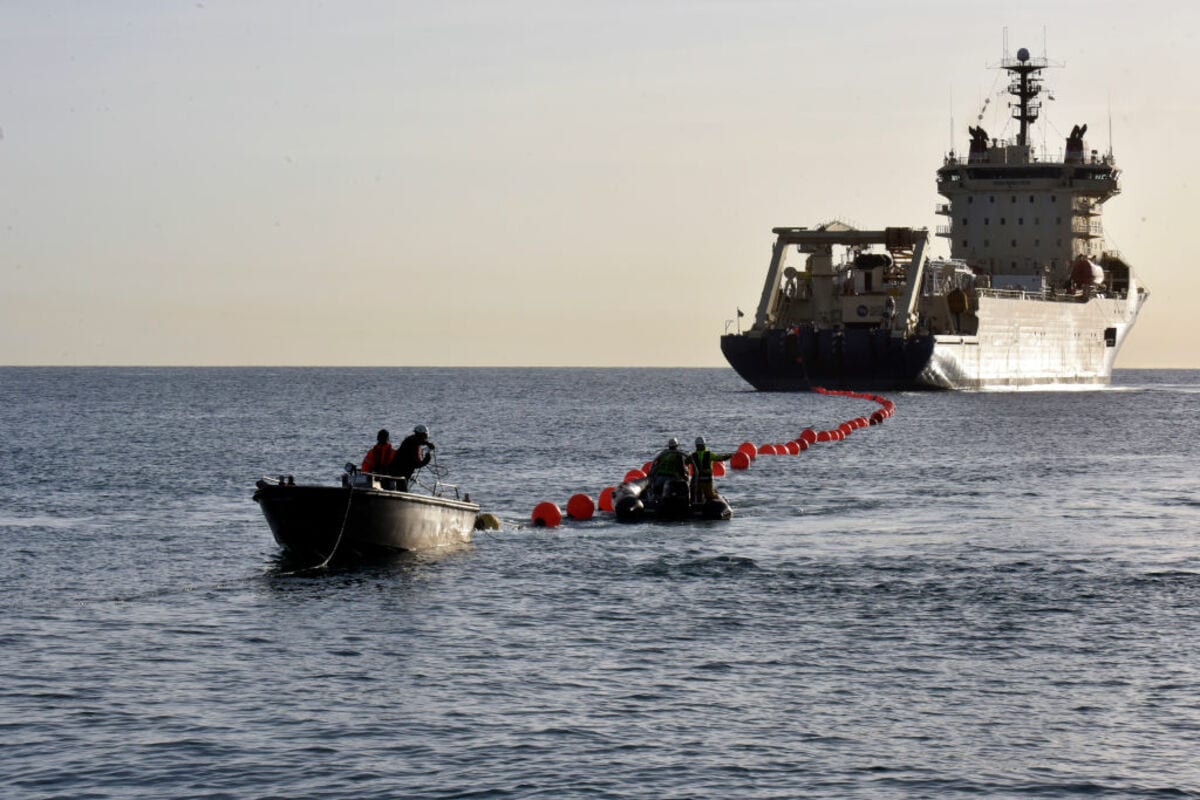
The cable was intended to connect Gulf nations such as Oman, the United Arab Emirates (UAE), and Qatar, as well as other countries like Saudi Arabia, Pakistan, and India, via terrestrial landing stations. However, Alcatel Submarine Networks (ASN), the French state-owned company responsible for laying the fiber optic cable, sent force majeure notices to its clients after becoming unable to continue work on the Persian Gulf section due to safety concerns. ASN's laying vessel is currently stranded near Dammam, Saudi Arabia.
Middle East Conflict Exposes Vulnerability of Internet Infrastructure
Submarine cables are critical infrastructure, responsible for over 95% of the world's internet data transmission. Once completed, '2Africa' was set to become the world's largest fiber optic cable network, connecting all coastal African countries with Europe and the Middle East. Currently, two incomplete sections remain: the 'Pearls' section in the Persian Gulf and the Red Sea section.
Meta had also announced four months prior that it had halted work on the Red Sea section due to attacks by the Iran-aligned Houthi rebels in Yemen and issues obtaining laying permits. This comes less than four months after the repair of existing cables damaged by recent Houthi rebel attacks was completed. Such conflicts highlight how vulnerable internet infrastructure is to physical attacks and raise questions about whether major technology companies will continue to invest billions of dollars in geopolitically unstable regions. The Persian Gulf was considered a viable alternative route until the United States and Israel began joint military operations against Iran.
*Source: TBS NEWS DIG (2026-03-13)*